


In this article I’m going to try to illustrate and think about AI anxiety from a number of different perspectives.
We shouldn’t seek to quell AI anxiety, we should embrace and analyze it. The truth is, the U.S. labor market is in serious trouble, and it has little to do with AI so far. It’s hard to think seriously about the future of knowledge-work when we have a labor market with so many issues.
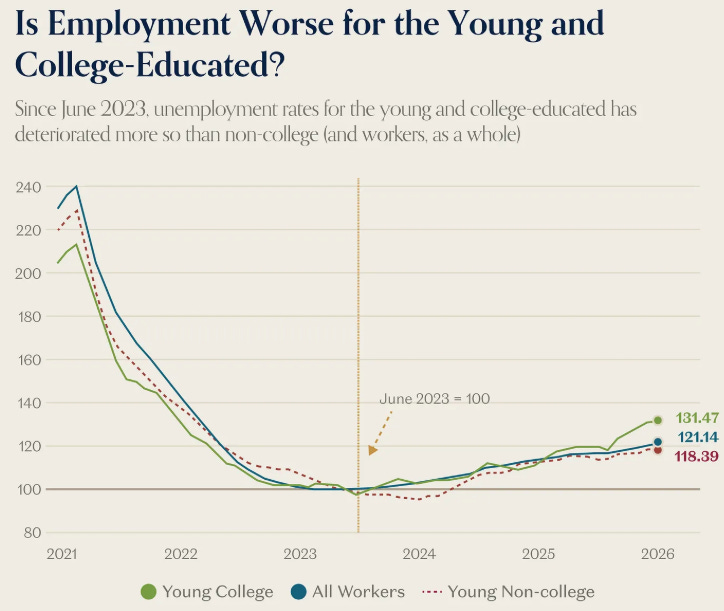
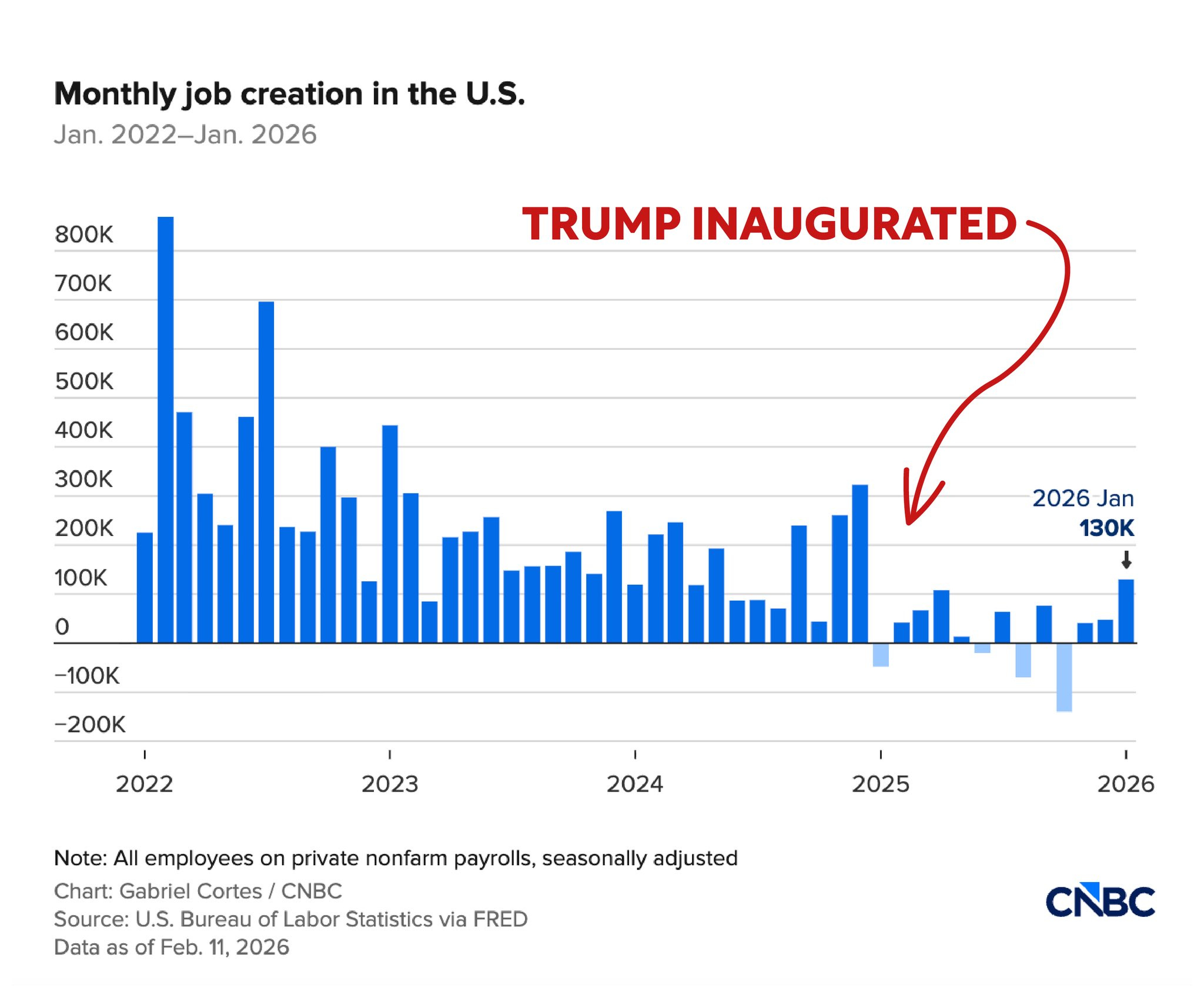
The U.S. job market is the worst in decades. And the main cause of this is a completely incompetent government. Tariffs, questionable immigration policies, geopolitical self-harm, weaponizing trade in diplomacy, unpopular interference, starting unjustified wars, peculiar Government reform, maybe you have seen this infographic? Clearly this is not an Administration that cares about the economic well-being of Americans nor the future of Americans and the post graduation job experience.
It’s the job of technology executives to make decisions that benefit shareholders, even if that means blaming AI for other problems in the business. Maybe you’ve seen this infographic too?
Are Tech layoffs about to spike? (2026-2027)
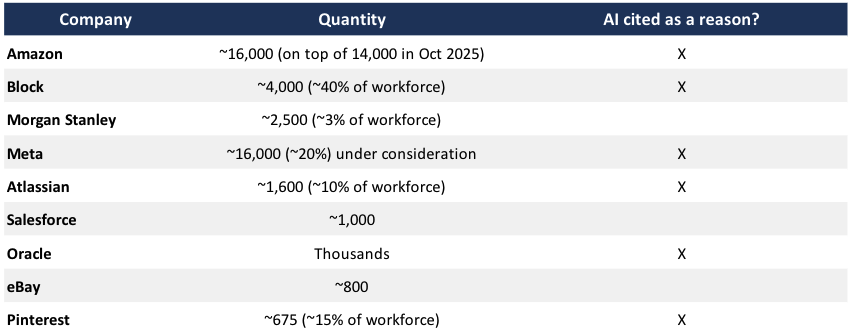
How popular is citing AI for layoffs going to get in 2026 and 2027? We are prone to anxiety because FOMO and FUD are two sides of how marketing works for a democracy without a functioning media. If a democracy no longer has a functioning media, is that still a real democracy? AI anxiety is real, especially when recessions become more likely and young people begin to have more trouble finding a job. Especially when the tools the financial elite are saying augment them, are actually hurting their critical thinking abilities. Young people today are going to grow into a different world.
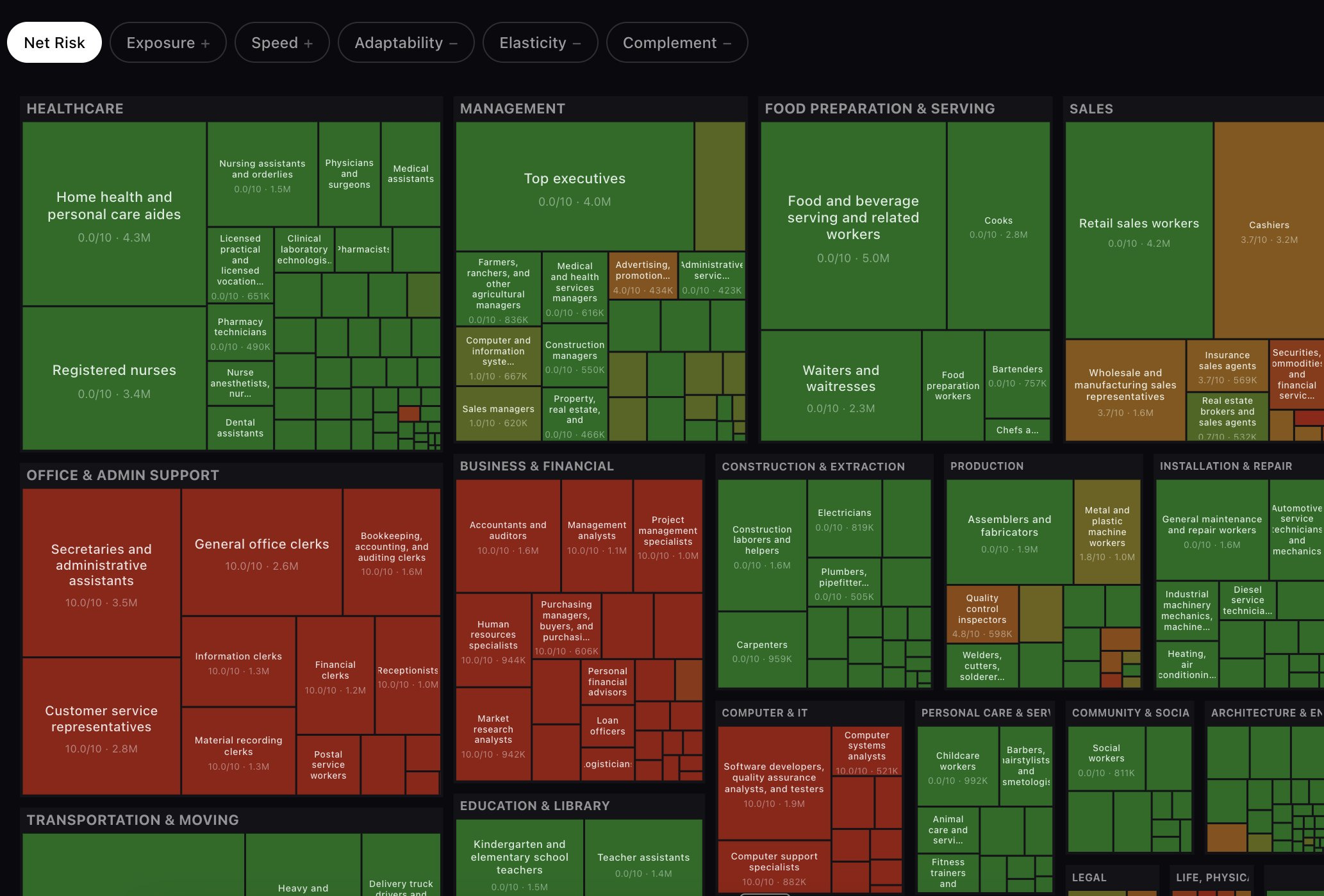
Matt Zieger analyzed @karpathy‘s AI jobs exposure dashboard (which was taken down, then restored), but it bugged Matt that it didn’t include actual labor market dynamic fields such as:
Industry adoption speed
Worker adaptability
Demand elasticity (if cheaper, people buy more)
Complementarity (does AI replace or boost)
Beyond Exposure: What Actually Predicts Displacement
AI Anxiety with Recessionary Characteristics
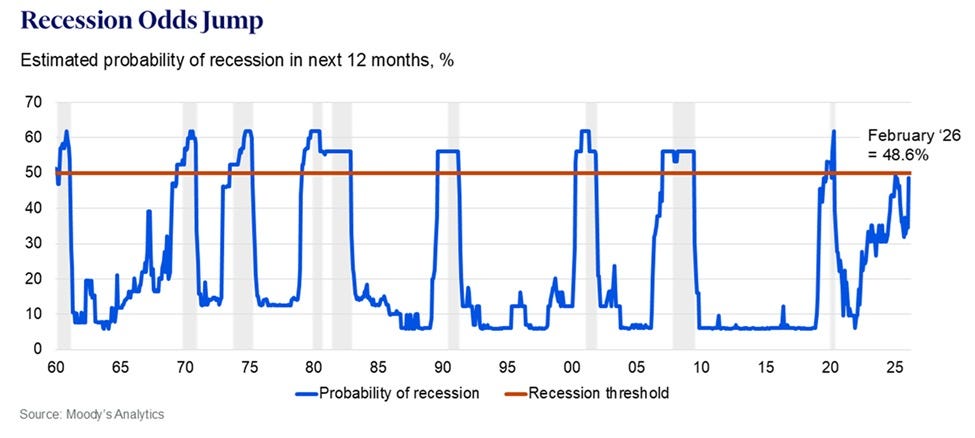
The odds of the US entering recession are rising:
The probability of a recession over the next 12 months jumped to 48.6% in February, the highest since the 2020 pandemic.
American consumers might even blame AI, far from embracing it. 🤔
Chief Economist Mark Zandi recently reported that Moody’s AI-based economic model now places the odds of a recession at 49%. However, Zandi cautioned that this figure was calculated just before the full impact of the recent conflict in Iran and the resulting spike in energy prices. He expects that once these factors are fully integrated into the next data release, the probability will exceed 50%. Just a bit over fifty percent, is that really something to be anxious about?
It’s totally normal to be anxious about the potential for technological automation, but throughout history it’s also fairly common to have periods of uncertainty about the future. Leaders messing things up is also nothing new to civilization.
Venture Capitalists have infiltrated the U.S. Administration
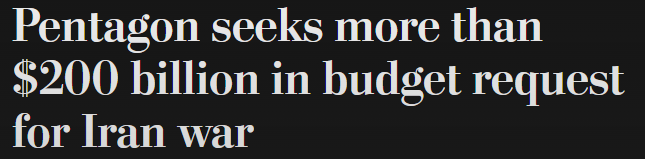
Leaders testing AI targeting and the tools powerful Venture Capitalists betted on years ago who have now won significant lobbying in Washington and that should make you anxious. Military AI is worth being anxious about. If you give Anduril, Palantir or OpenAI more money, I can bet on the future impact on the world it will have. Maybe Polymarket should consider which scenarios of AI dystopia are now most likely.
AI Anxiety the Post Boom World and Opportunity Collapse
Young people in China where the youth unemployment has spiked noticeably in the past five years, have a legit right to feel anxious. But in the U.S., poor policy, changing demographics, less immigration and tech panic is leading to a frozen labor market are a toxic combination:
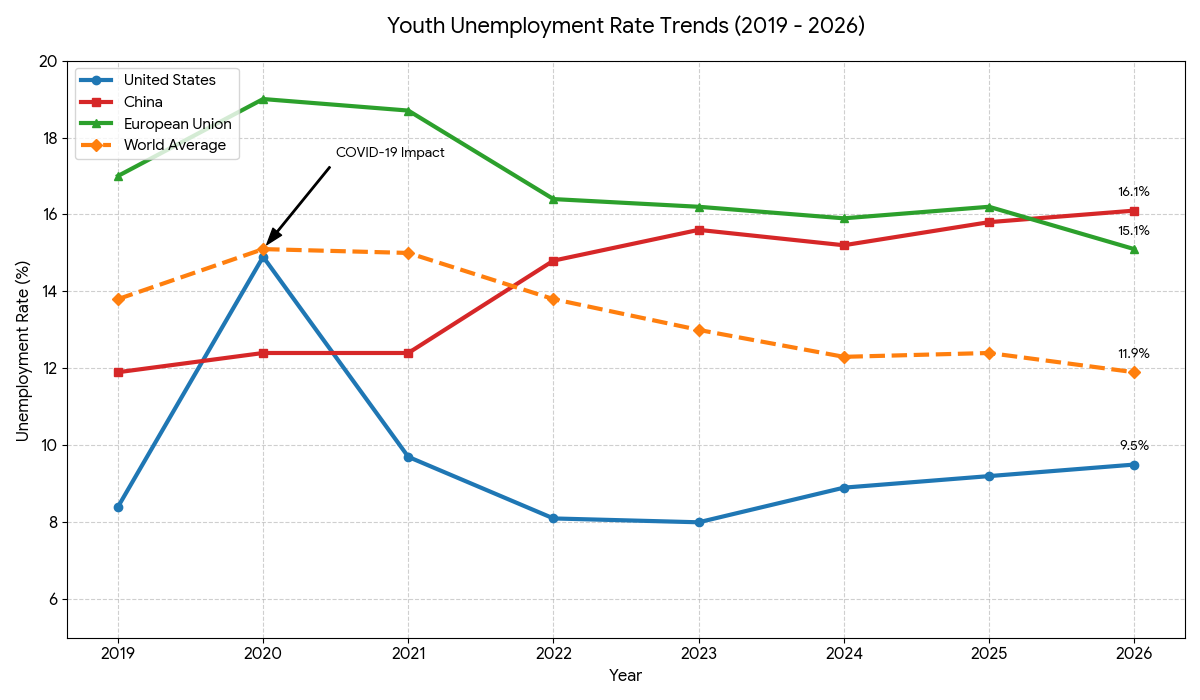
“Employment rates for young workers, whether college educated or not, have both been in roughly equal decline for the past two years….Going back to 1976, the share of 20-somethings in the workforce has declined ~12%.” - a16z
Blogger Tony Peng recently noted that in 2026 and over the past few weeks, the phrase “AI anxiety” kept showing up in the podcasts, articles, and videos in Chian he came across, picking up pace especially after the OpenClaw mania swept the country. More Autonomous products launching include just recently: a strange brand of new products that insist they should be in control of our computers.
AI Anxiety and the Autonomous Machines Wave 🌊
Giving over computer control to Autonomous Agents is supposedly the golden path to AGI
But do we want to give over control of our computers to autonomous AI and personal assistants?
Google Project Jarvis
OpenAI Research Scientist (What Prism becomes)
With gigantic IPOs related to AI involved companies like SpaceX, OpenAI and Anthropic on the way in mere months, hype must be continued at all costs.
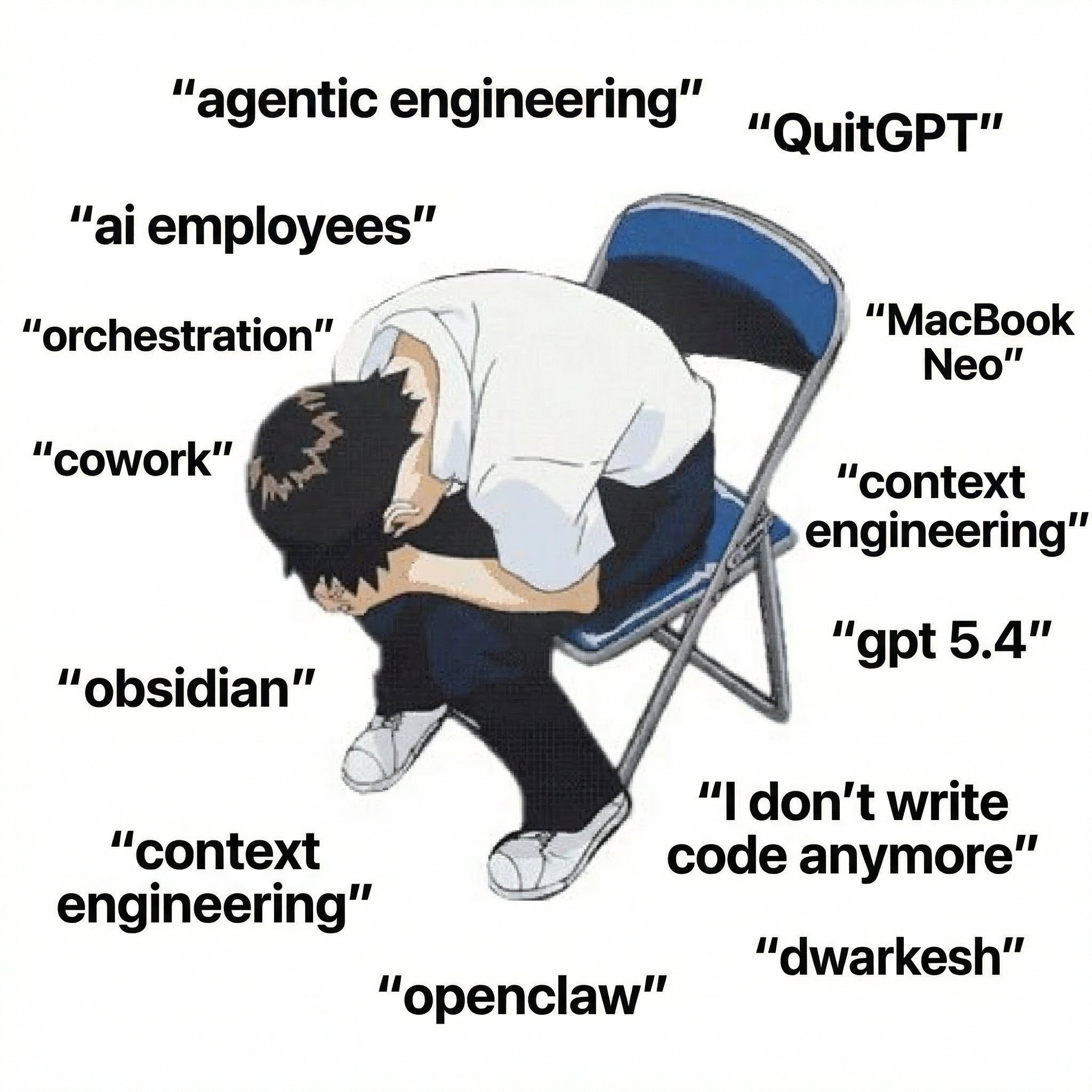
AI anxiety is converging with many other macro trends, and it’s making us question the future of jobs and our place in the world. AI anxiety is also coming at a peculiar time of geopolitical disruption where trust in leadership and institutions is on the decline.
